
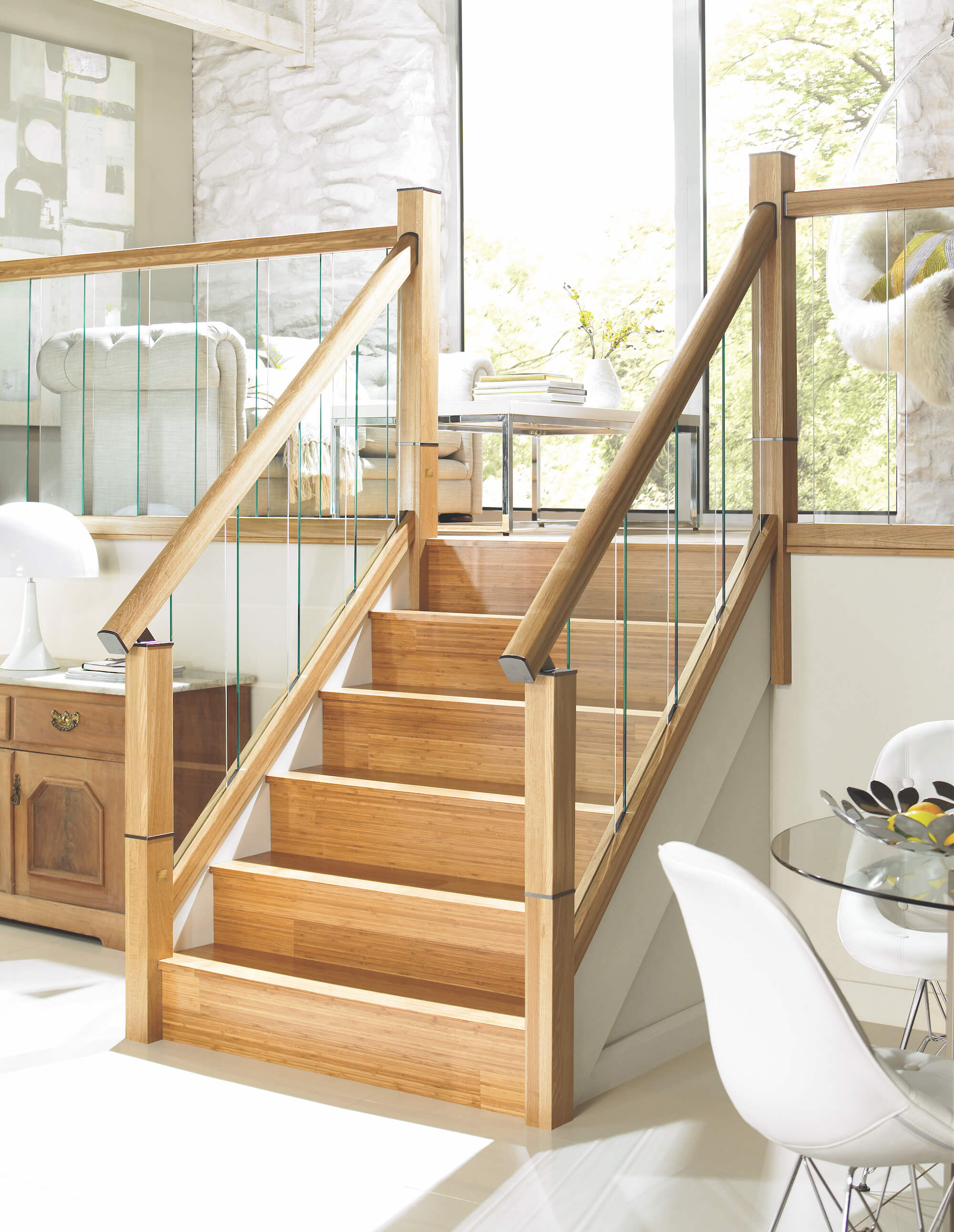
Combining fantastic design with the finest craftsmanship
Established in 1867, family run Richard Burbidge has been passionate about the design, manufacture and supply of timber products for over 150 years. Today we offer a range of innovative products designed to transform your home; from contemporary stair systems to decorative mouldings to exterior balustrades in glass and metal. Our products are designed to be simple to fit, with a team of experts to advise on every aspect of planning, estimating and fitting as required.
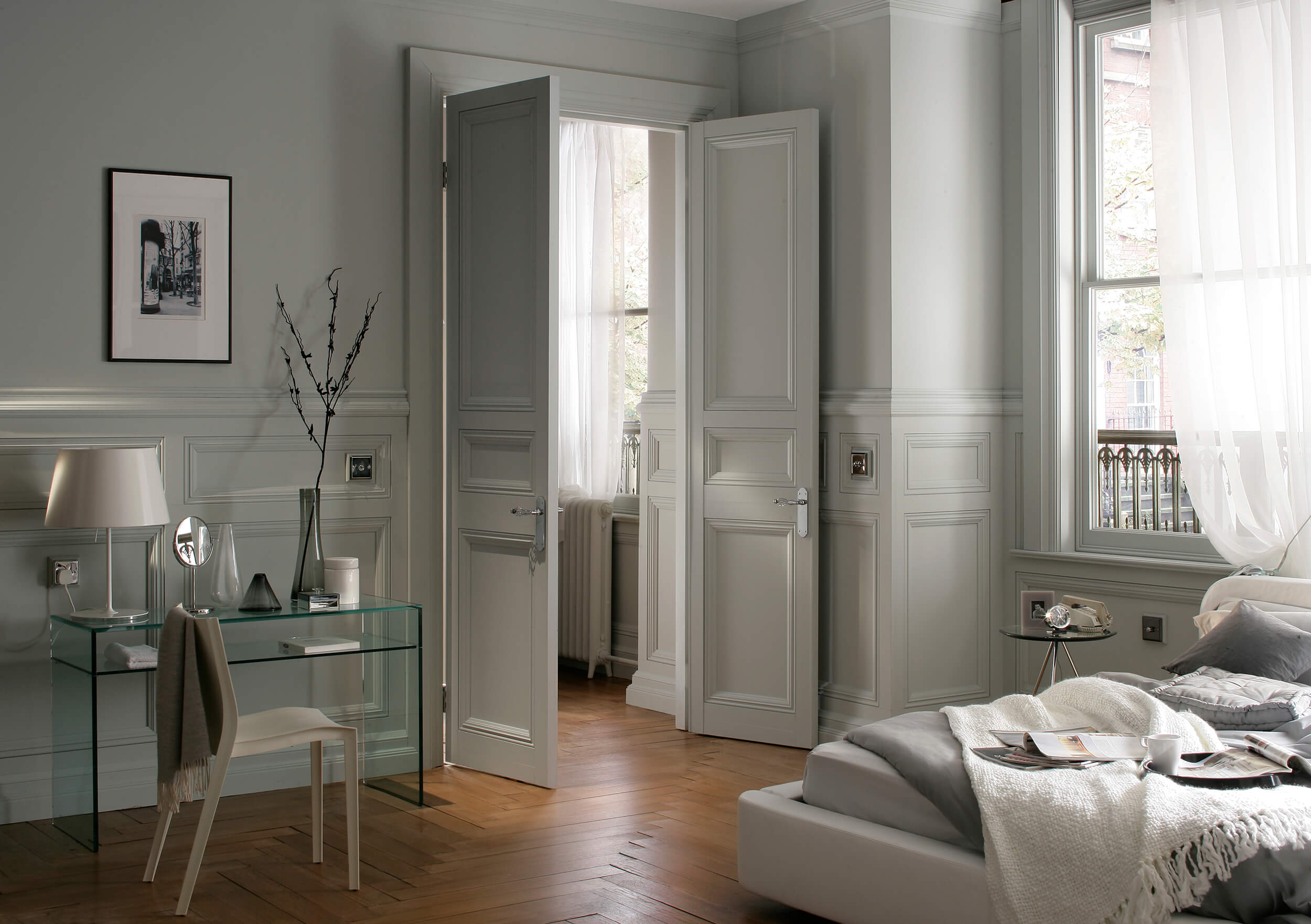
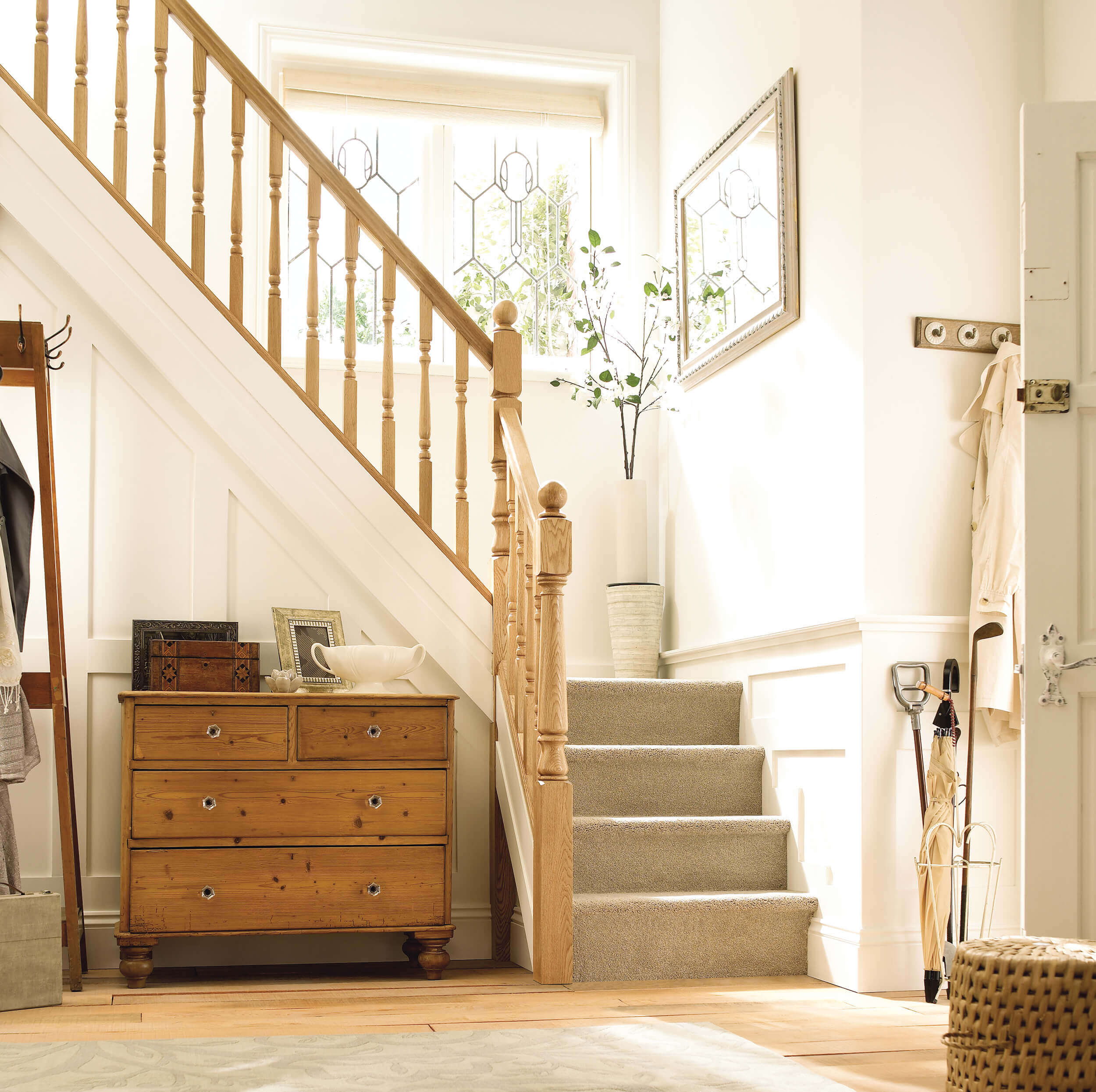
Passionate about the design, manufacture and supply of timber for over 150 years
Our extensive product collections range from traditional to contemporary, including a host of unique an innovative designs, all handcrafted to create showstopping results.
Our History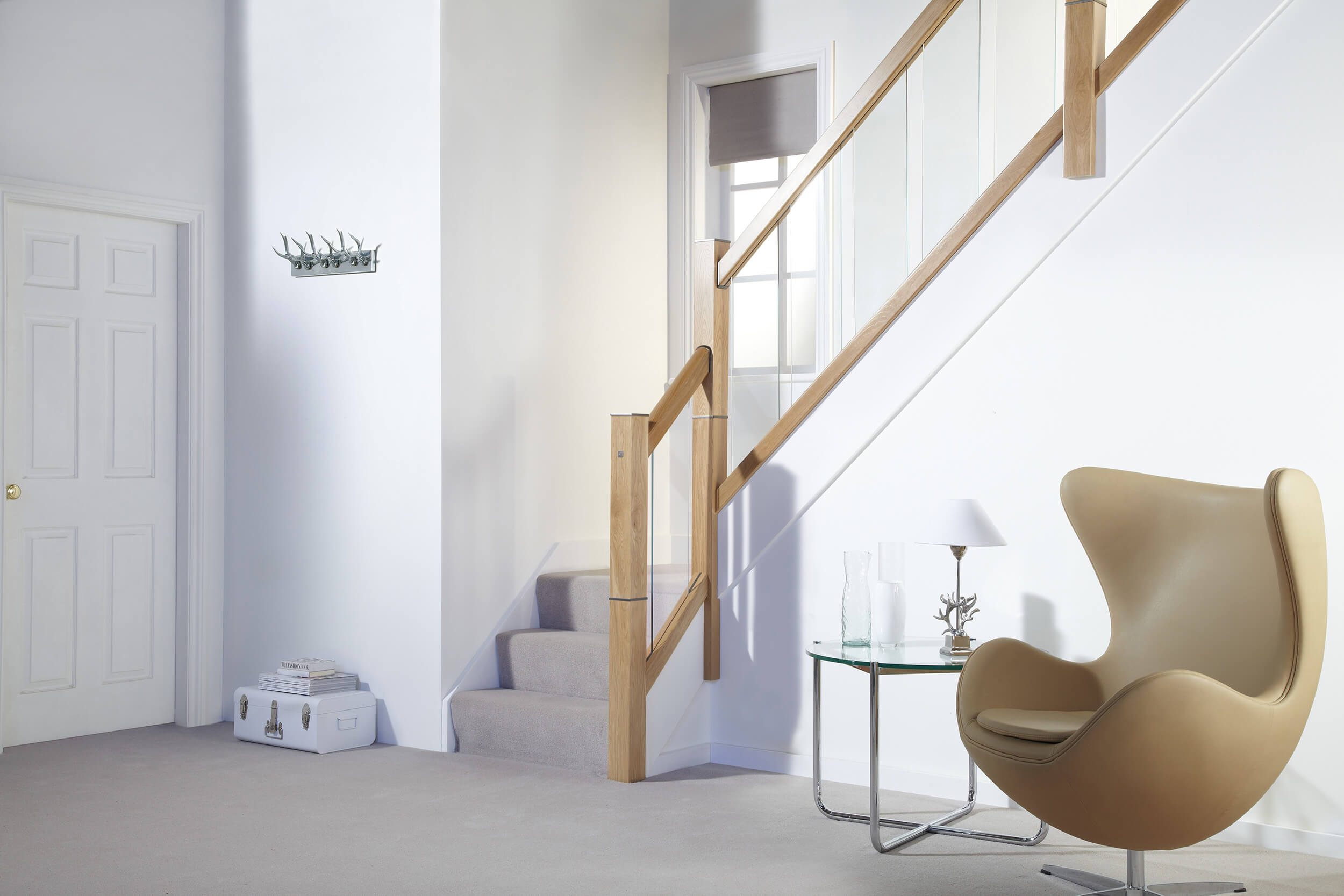

Crafting timber products sustainably.
At Richard Burbidge we feel privileged to work with this incredible natural resource every day and always champion supporting sustainable timber production. We are proud to hold an extensive list of environmental and sustainable accreditations.
Sustainability
Latest Company News
Don't miss out on what's happening at Richard Burbidge, plus lots of guides and tips for successful home renovations.
View all news Get the Look: Create an Eclectic Maximalist Home with Wall Panelling
Looking to add more colour, character and personality to your home? Eclectic Maximalism is all about combining bold colours, interesting textures and pieces you love to create a space that feels unique. This maximalist approach to home styling has grown fast in popularity through 2026, as homeowners move away from plain, neutral schemes in favour of rooms with real personality. Rather than matching everything perfectly, eclectic maximalism celebrates contrast: think vintage finds sitting alongside modern furniture, warm colour palettes paired with statement patterns, and clean architectural details like wall panelling grounding playful, curated accessories. Our PaintReady® Shaker Style Wall Panel Kits and Classic Wall Panel Kits make it easy to introduce this trend into your home. Whether you’re creating a statement feature wall or adding detail throughout a room, our wall panel kits offer a versatile solution for both traditional and modern interiors. Eclectic Maximalism Made Simple Eclectic Maximalism is about layering different colours, patterns and textures to create a home that reflects your style. Wall panelling helps bring the look together by adding structure and interest to your walls. Why Choose Wall Panelling for the Eclectic Maximalist Look? Wall panelling provides the perfect base for experimenting with colour and texture. It allows you to introduce statement shades while adding depth and detail to your walls. Easy ways to create the look: Paint your panels in a bold colour to create a standout feature wall Use the same colour across your walls and panels for a more dramatic finish Combine painted panelling with patterned wallpaper for added texture and interest Layer with artwork, mirrors and accessories to make the space your own Our PaintReady® Wall Panel Kits come primed and ready to paint, making it simple to create a finish that works with your chosen colour scheme. Create the Look Room by Room Whether you're updating one area or refreshing your whole room, wall panelling can help bring this style to life. Living Room Create a feature wall using Shaker Style Wall Panel Kits and pair with colourful artwork, patterned cushions and statement accessories. Hallway Add interest to your entrance with half-height wall panelling. Choose a rich colour to create a bold first impression. Bedroom Use Classic Wall Panel Kits behind the bed to create a decorative backdrop, then add layered bedding and your favourite accessories. Discover our full range of Wall Panel Kits here.
READ ARTICLE
6 Things to Consider When Choosing a Stairparts Supplier
Whether you're renovating an existing staircase or starting a new build, choosing the right stairparts supplier is an important part of the process. The products you select need to look good, perform well and be straightforward to install, but the supplier behind them matters just as much. Here are five things worth considering before you make your choice. 1. Quality That Lasts A staircase is one of the hardest-working features in a home, so quality should always come first. Well-made stairparts not only create a better finish but also make installation easier and are built to withstand everyday use. Richard Burbidge stairparts are manufactured using quality timber and engineered timber components, designed to provide strength, stability and a consistent finish across the range. Careful selection of materials helps ensure parts are reliable to work with and perform well once installed. 2. Practical Support When You Need It No two staircase projects are the same. Whether you're replacing a few components or designing a completely new staircase, having access to knowledgeable technical support can make the process much simpler. At Richard Burbidge, our team offer a free design service to help with product selection, quotations, parts lists and technical guidance, giving both trade professionals and homeowners the information they need to move their projects forward. 3. Clear Installation Guidance Good products should be backed up by clear, accessible information. Installation guides, fitting instructions and technical documents help take the guesswork out of fitting stairparts and can save valuable time on site. They're also a useful resource for DIY projects, helping to achieve the best possible finish. That's why we've made a wide range of technical downloads and fitting guides available through our online Resources hub. 4. A Range That Works Together Choosing stairparts from one supplier helps create a consistent finish and makes it easier to find components that work together. From traditional timber stairparts to contemporary glass and metal balustrades, refurbishment products and accessories (i.e cladding kits), having everything in one place means that your Stairparts suit both your home and your style without compromising on compatibility. 5. Strength Tested for Complete Peace of Mind When choosing a stairparts supplier, appearance and style are important, but safety should never be overlooked. Staircases are a key structural feature within the home and need to be capable of withstanding the demands of everyday use for years to come. For added peace of mind, it's worth selecting a supplier whose stair systems have been strength tested to meet relevant UK domestic building regulations. This provides reassurance that the products have been designed and tested to perform as intended, helping to ensure a safe and reliable staircase for homeowners and installers alike. At Richard Burbidge, our stair systems are strength tested to domestic regulatory requirements, giving confidence that our balustrade and stairpart solutions combine style with proven structural performance. 6. A Supplier You Can Rely On Experience counts when it comes to stairparts design and manufacture. Established suppliers understand the challenges of different projects and invest in the products, technical knowledge and customer support needed to help them run smoothly. It's also worth looking for manufacturers that demonstrate a commitment to responsible sourcing and recognised quality standards. With more than 150 years’ experience in timber design and manufacture, Richard Burbidge has supported both trade professionals and homeowners with stairparts and stair renovation solutions. Finding the Right Fit The right supplier should make your project easier from start to finish, providing quality products alongside the advice and resources to help you achieve the best result. Whether you're updating an existing staircase or creating something entirely new, Richard Burbidge offers a comprehensive range of stairparts, refurbishment solutions and technical resources to help bring your plans to life. Explore our full range here.
READ ARTICLE